

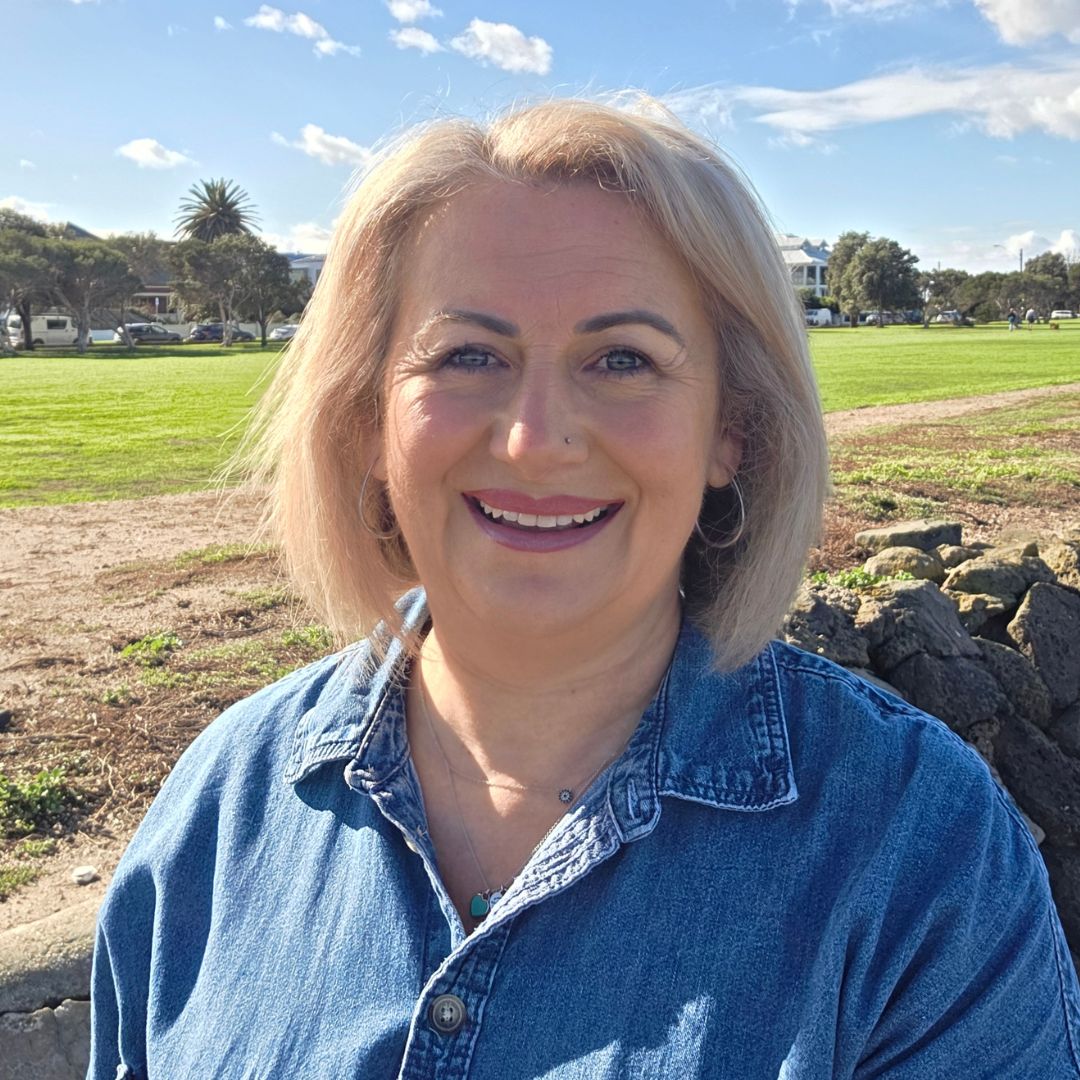
Asmira said she was lucky to have found ICA.
But support should not be left to chance.
What your donation helps make possible
One-to-one specialist support
150 Hours
of free specialist support, delivered through our genetic counsellor, one-day-a week.
Your donation helps keep specialist support available for people facing complex decisions about inherited cancer risk.
From our community:
It had been difficult to find the right support. After speaking with ICA’s genetic counsellor, I felt as though I could take a deep breath again.
Peer connection
3000+
People are part of ICA's national online support groups.
Your donation helps keep safe, supportive spaces available for people who need connection and understanding.
From our community:
After my result, I felt like I was left to navigate risk-reducing surgery and surgical menopause on my own. Having peer support at such a pivotal moment is invaluable.
Trusted information
65k
views of ICA’s online information and support pages in 2025.
Our educational video interviews with experts were also viewed nearly 14k times across our online platforms.
Your donation helps keep trusted information free, clear and accessible.
Education and advocacy
800+
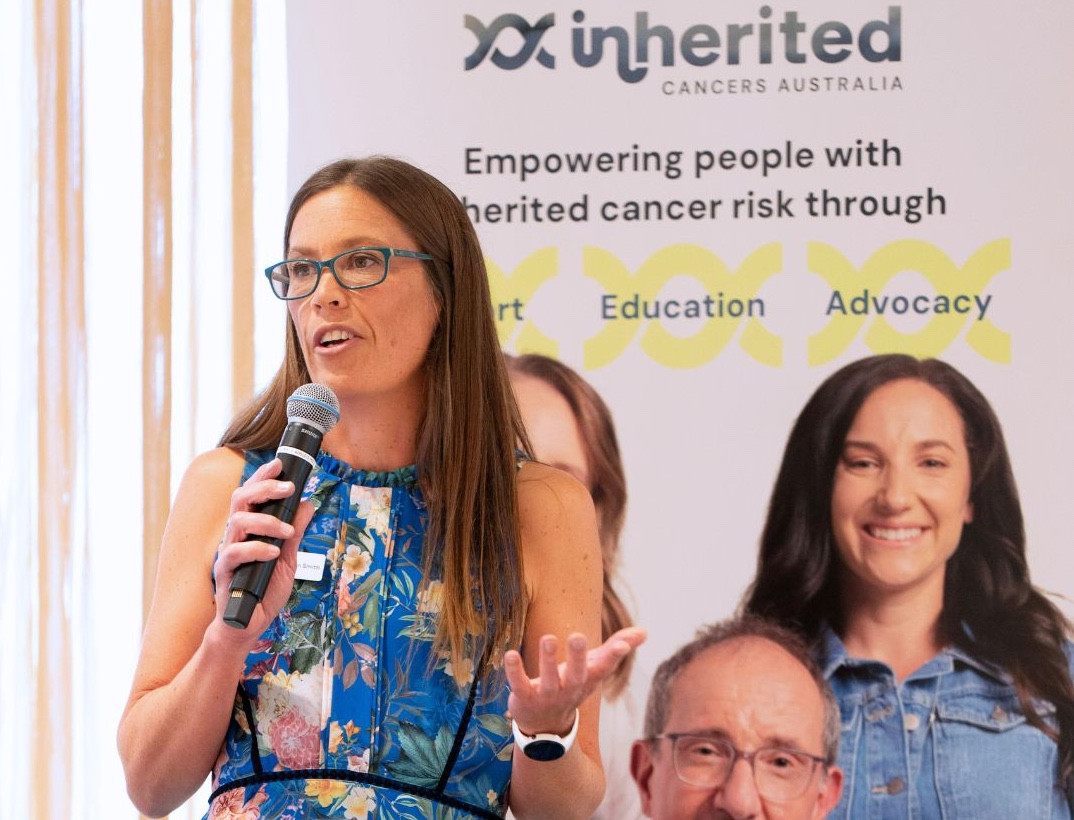
healthcare professionals reached through our educational presentations in 2025.
Your donation supports education and outreach that can help more people access informed care sooner.
How your gift can help
$50
Funds a first support call, so someone has a place to start and knows what support is available.
$100
Matches someone with a trained peer support mentor who can share understanding and lived experience.
$250
Funds a one-to-one appointment with ICA’s genetic counsellor, helping someone understand their options and next steps.
$500
Covers travel costs so someone living regionally, rurally or remotely can access an ICA Information and Support event.
$1,250
Expands ICA’s Inherited Cancer Support Service for an extra day per week, helping at least 6 more people each week access genetic counselling and guidance.
What support can mean for one person
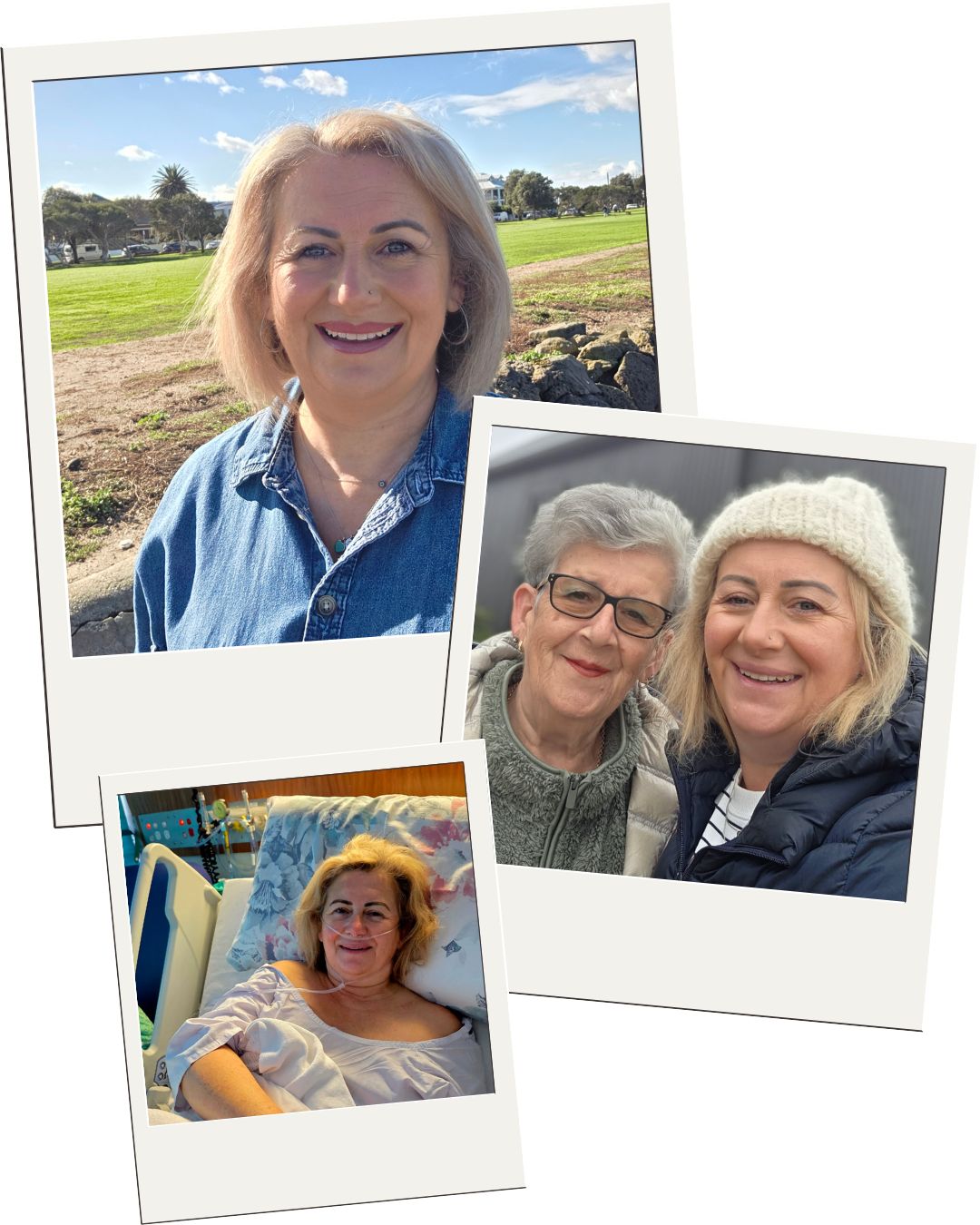
Asmira with her mum,
and in hospital after surgery.
Asmira's Story
When Asmira learnt she had familial adenomatous polyposis (FAP), there was suddenly so much to take in: what it meant for her body, her family, her surgery, her recovery and the decisions ahead.
“My mind was just so overloaded that I didn’t know where to start.”
FAP is a rare inherited bowel cancer syndrome, usually caused by a pathogenic variant in the APC gene. It can cause hundreds, and sometimes thousands, of polyps to develop in the colon and rectum over time.
These polyps can become cancerous, which means people with FAP have a high risk of bowel cancer, including colon cancer. If the condition is not actively managed, that lifetime risk can be up to about 95%, often at a much younger age than the general population.
For Asmira, reducing that risk meant going through preventive subtotal colectomy, a major surgery to remove 70% of her colon. Because FAP is rare and not widely understood, clear information and people who understood what she was facing were not easy to find.
Support that made the next step clearer
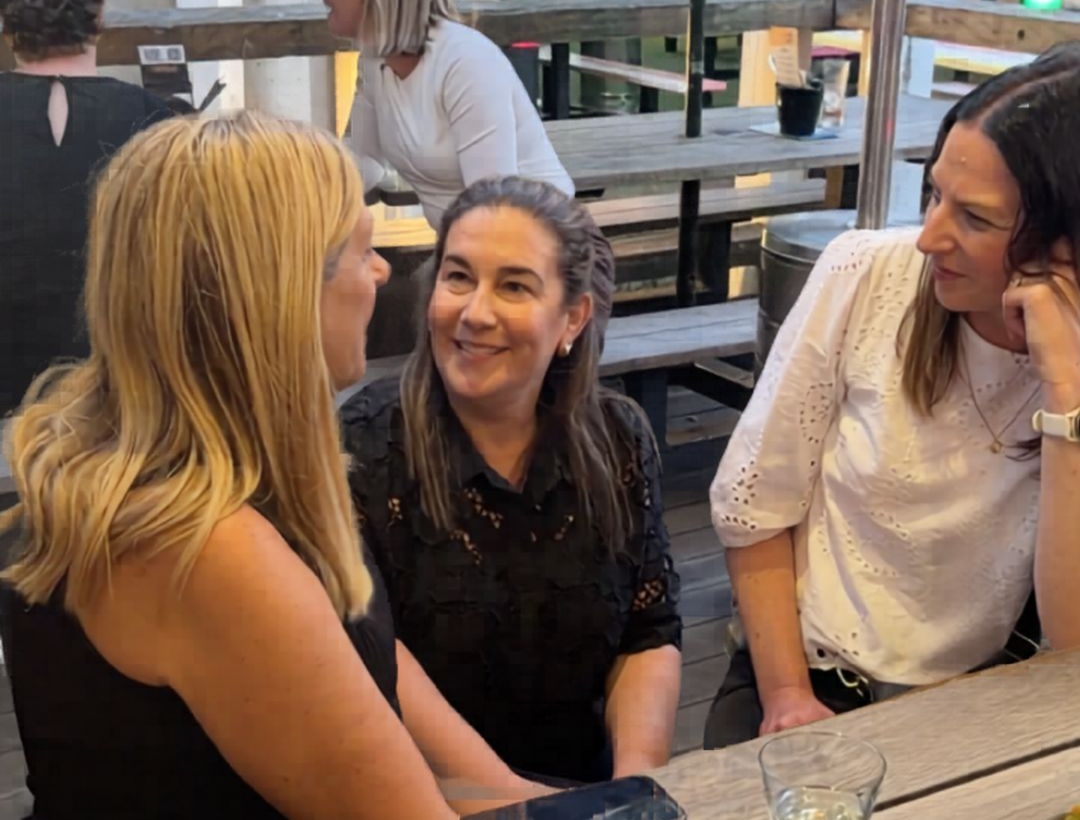
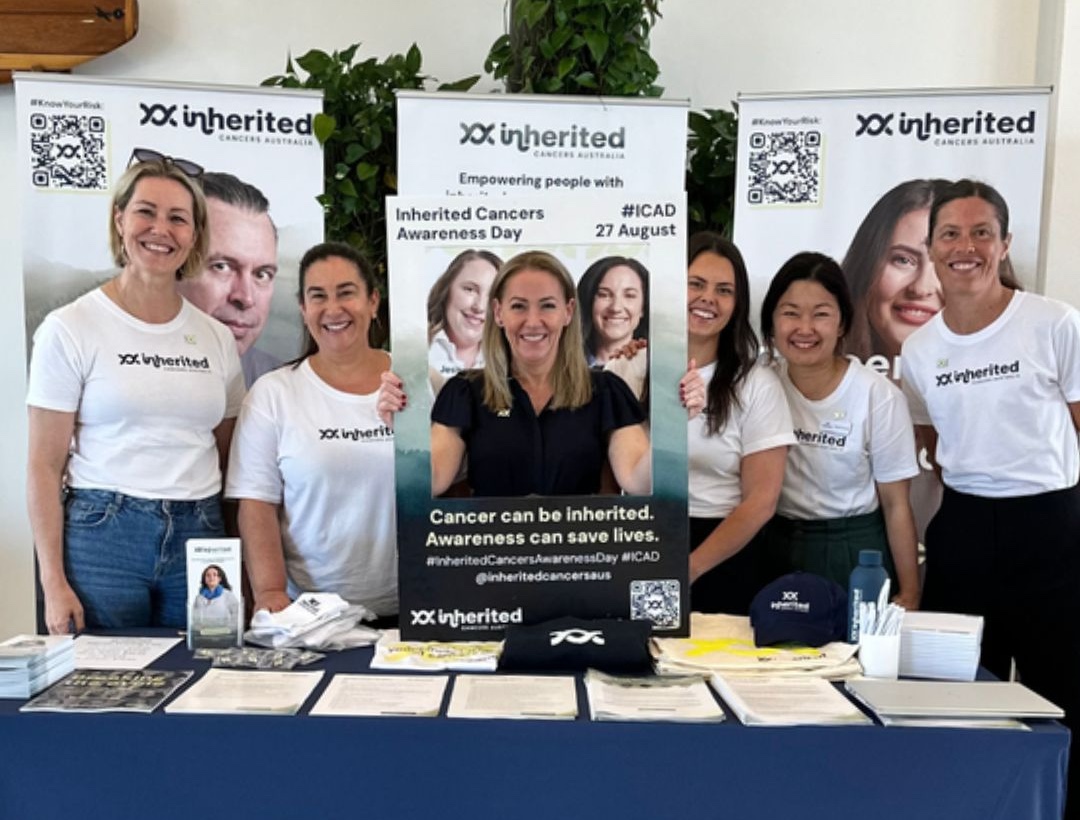
Through Inherited Cancers Australia, Asmira spoke with Gabby, ICA’s genetic counsellor, was matched with a peer support mentor, joined ICA’s online community, used practical resources and checklists, and attended an ICA Information and Support Day.
Each kind of support helped make everything feel more manageable. Evidence-based information and specialist guidance offered clarity and reassurance. A practical checklist made hospital preparation feel less daunting. One-to-one support gave Asmira somewhere to ask questions, big or small. Lived insight from someone with the same condition helped her feel less isolated and more prepared for what life might look like after surgery.
“I walked out of the Information and Support Day thinking, I’m actually not alone.”
Living with what surgery changed
Recovery from such major surgery was not straightforward. With 70% of her colon removed, Asmira had to learn how her body now responded to food, what it could tolerate, and what could leave her unwell or in pain.
Through ICA, Asmira also connected with people who understood the practical reality of life after surgery.
“They’re the ones actually told me, this is what you should be eating. People were just so nice and helpful. They know exactly what you’re going through.”
Since surgery, Asmira has had to rethink everyday routines that once felt simple, like preparing lunch, packing snacks, or eating out with family and friends. Certain vegetables, fruits, spices and meats can now make her very ill and leave her in pain. She is still learning what her body can manage, and whether these changes will improve over time or become part of life for the longer term.
Support should not depend on luck
Asmira is continuing to navigate the realities of life after surgery, one step at a time.
Looking back, she describes herself as lucky to have found ICA. But people should not have to rely on luck, or wait until things feel overwhelming, to find support.
Living with inherited cancer risk is not easy. With the right support, the next step can feel clearer and more manageable.
Your donation helps more people find trusted information, one-to-one support, peer connection and practical resources earlier, as they try to understand what inherited cancer risk means for them and their family.
Nobody should have to live with inherited cancer risk without support, clarity and someone to turn to.