The Inherited Cancer Experience
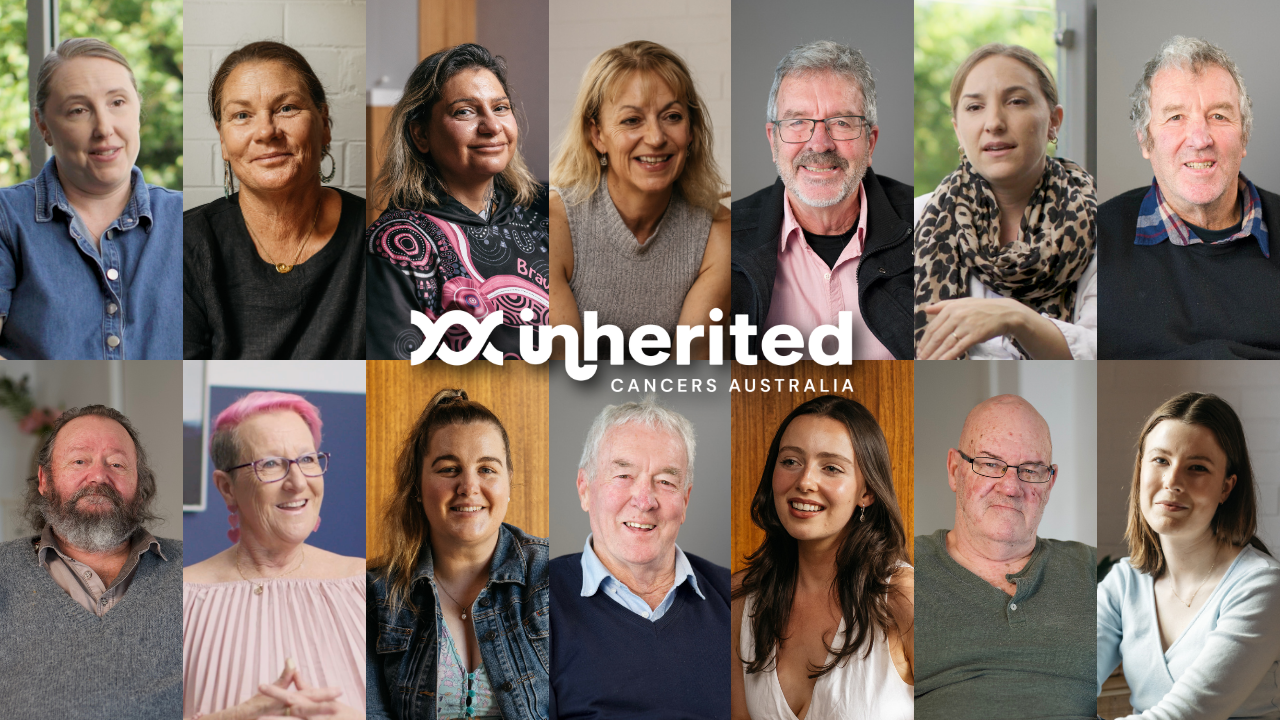
The Inherited Cancer Experience is a lived experience-led initiative created by Inherited Cancers Australia to bring the realities of living with inherited cancer risk into the open and turn lived insight into meaningful support.
The impact of inherited cancer risk can extend far beyond a genetic test result. It can shape decisions about health, family, fertility, relationships, identity and the future, often over many years.
Across 10 video chapters and written stories, people share experiences that are often unseen or difficult to put into words. Nine practical resources offer information and guidance for people facing similar decisions, changes and challenges.
Community is at the heart of this initiative.
The video series features 14 voices from across our community: Ashley, Damian, Danielle, Dave, David, Jess, Jessica, John, Kel, Meriki, Molly, Nicole, Richelle and Simone. Many more community members contributed their time and insight behind the scenes, guiding the work and shaping the videos and resources.
These contributions support a shared goal: to help the next person facing something similar feel more informed, more prepared and less alone.
Finding your way through this experience
You can also go straight to:
Stories from our community
Support from ICA
More support and resources
Prefer to watch the full series in one place? Watch the full video series here.
Understanding family health history
Inherited cancer risk often first comes into view through patterns in a family, questions and conversations. Understanding family health history can help people and health professionals recognise when genetic advice may be useful. But parts of a family’s history may be unknown, incomplete or difficult to talk about. Men can also be overlooked in these conversations, even though inherited cancer risk can affect their own health and have implications for children and other relatives.
This section explores how inherited cancer becomes part of a family story, why it matters for people of all genders and what can help families understand and act on what they know.
CHAPTER 1
When cancer becomes a family story
Finding out that inherited cancer risk runs in a family can change how people understand the past, make decisions in the present and talk about the future.
Molly, John and Meriki, who each have a BRCA1 pathogenic variant (gene change), and Simone, who has a CDH1 gene change, share how cancer and genetic testing became part of their family stories. They reflect on learning from a parent, considering what a result may mean for children and finding ways to make complex information feel more human.
The related resources below can help people piece together what they know, prepare for appointments and begin conversations with family.
Related resources
CHAPTER 2
Men and inherited cancer risk: Why it matters
Inherited cancer risk can affect people of any gender. Yet a recent review found male relatives were about half as likely as female relatives to have genetic testing for a gene change already identified in their family. By sharing their experiences, the men in this chapter help show how inherited cancer can affect men’s health and why it needs to be understood across a whole family.
Brothers Ashley, Damian and John Roff each have a BRCA1 gene change. They share what this has meant for their family, including Damian’s experience of prostate cancer. David shares his experience of Lynch syndrome and bowel cancer, while Dave discusses Muir-Torre syndrome and multiple cancers. Together, they talk about times when health checks were put off, learning what inherited cancer risk meant for them and their families, encouraging relatives to seek advice and following up when something did not feel right.
The related resources below can help individuals and their families understand inherited cancer risk, prepare questions and consider their next step.
Related resources
Making sense of genetic testing and inherited cancer risk
Genetic testing can create opportunities to understand and manage cancer risk, but it can also bring new information, uncertainty and decisions that take time to process.
The experience is shaped by more than the test itself. Culture, community, family values and access to appropriate care can all influence how genetic information is understood, discussed and acted on.
CHAPTER 3
When culture and community shape genetic testing
Culture, family, community and access to culturally safe care can shape how genetic information is understood and what choices feel possible.
Meriki, a Kunai and Gunditjmara woman with a BRCA1 gene change, shares how her family and First Nations community shaped her experience. Nicole and Jessica, who each have a BRCA2 gene change, reflect on their Ashkenazi Jewish ancestry, screening and expectations around bodies and motherhood.
The related resources below can help people explore what genetic testing may mean for them, prepare for family conversations and find support that respects their family, culture and community.
Related resources
Sharing genetic information with family
Sharing genetic information with family can be sensitive, emotional and complex. It can help relatives understand their own risk and consider seeking advice, but people may also feel responsible for starting the conversation or keeping others informed.
This section explores the different responses that can arise and what can help these conversations feel more supported, informed and manageable.
CHAPTER 4
What runs in the family: Talking about cancer risk together
Sharing inherited cancer information can give relatives the chance to ask questions, seek advice and make their own decisions. It can also bring feelings of guilt, urgency or uncertainty. Family members may not all be ready to respond at the same time or in the same way.
Meriki and Ashley, who each have a BRCA1 gene change, and Simone, who has a CDH1 gene change, reflect on telling relatives, talking with children and keeping the door open when someone needs more time.
The related resources below can help people decide what to share, find words that feel right and prepare for different responses.
Related resources
Living with inherited cancer risk
Inherited cancer risk can shape life well beyond a genetic test result. It can involve decisions and changes that unfold over years, affecting healthcare, the body, relationships, fertility, family and emotional wellbeing. What someone needs may also change over time.
This section brings together lived experiences and practical support for navigating these realities.
CHAPTER 5
Navigating supportive care for inherited cancer decisions
Finding the right care can take extra work when services are far away, local specialists are limited or someone has previously felt excluded or misunderstood in healthcare.
Danielle and Richelle share experiences shaped by regional access, LGBTQIA+ inclusion, surgery and peer support. They discuss travelling for appointments, asking for clear information, seeking another opinion, bringing a support person and connecting with someone who understands the experience.
The related resources below can help people understand who may be part of their support circle, prepare for healthcare conversations and find a practical place to start.
Related resources
CHAPTER 6
Finding my way in a changed body
After cancer or risk-reducing surgery, a person’s body may look, feel and respond differently. Adjusting can take time, especially when available images or information do not reflect their age, body or choices.
Molly and Kel share their experiences of breast surgery, reconstruction, changes in sensation and learning what feels right for them. Richelle brings both her experience of breast cancer and her perspective as a clinical sexologist, reflecting on femininity, identity and the decision to remain flat or have reconstruction.
The related resources below can help people prepare, explore their options and give themselves time and space to adjust.
Related resources
CHAPTER 7
Intimacy, identity and relationships after surgery
Risk-reducing surgery may change how someone feels in their body, experiences intimacy or talks with a partner or someone new.
Richelle, a clinical sexologist who has experienced breast cancer, joins Kel, Danielle and Molly, who have personal experience of risk-reducing breast surgery. Together, they speak about fear, confidence, dating, changing sexual relationships and finding new ways to feel close, while recognising that every person’s response will be different.
The related resources below can help people understand possible changes, consider what matters to them and begin conversations about intimacy, relationships and support.
Related resources
CHAPTER 8
The realities of medically induced menopause
Medically induced menopause can begin suddenly after cancer treatment or risk-reducing surgery. It may bring physical symptoms, emotional changes and losses that other people do not always see or understand.
Jess, who experienced treatment-induced menopause after breast cancer at 27, and Kel, who experienced surgical menopause after risk-reducing surgery, speak about hot flushes, sleep, brain fog, pain, identity, grief and the pressure to return to normal. They also reflect on the value of time, clear information and connecting with others who understand.
The related resources below can help people know what to expect, prepare questions for their care team and find support as their needs change.
Related resources
CHAPTER 9
Fertility decisions after a genetic diagnosis
Learning about inherited cancer risk or receiving a cancer diagnosis can change how and when someone thinks about having children. These decisions can involve medical options, personal values, time and uncertainty.
Nicole and Jessica, who each have a BRCA2 gene change, share their experiences of IVF and preimplantation genetic testing (PGT). They discuss fertility preservation before treatment, the physical and emotional demands of IVF and the personal questions that can come with deciding whether to test embryos for a family gene change. Their stories show that there is no simple or automatic decision, and that hearing from others can help people feel less alone while making their own choice.
The related resources below can help people understand their options and prepare for informed conversations with their care team.
Related resources
CHAPTER 10
The emotional toll of inherited cancer
The emotional impact of inherited cancer can show up at many points: while waiting for answers, making decisions, recovering from surgery, living with ongoing risk or worrying about family.
Molly, Danielle, Dave, Richelle and Simone share experiences of worry, uncertainty, isolation, grief and information overload, as well as what has helped them feel steadier. Their stories show that support may come from a genetic counsellor, healthcare professional, family member, peer or community, and that different needs may call for different kinds of help.
Our resources and support options, such as the Emotional wellbeing support guide, Who can help?, ICA’s Psychosocial Support Initiative, Support Pathways and Calming and grounding exercises, can help people recognise how they are feeling, consider how much support they may need and choose a manageable next step.
Related resources
Stories from our community
These stories sit alongside the videos and resources, offering a more personal look at how inherited cancer risk can shape different parts of a person’s life, and how people find their own way through.
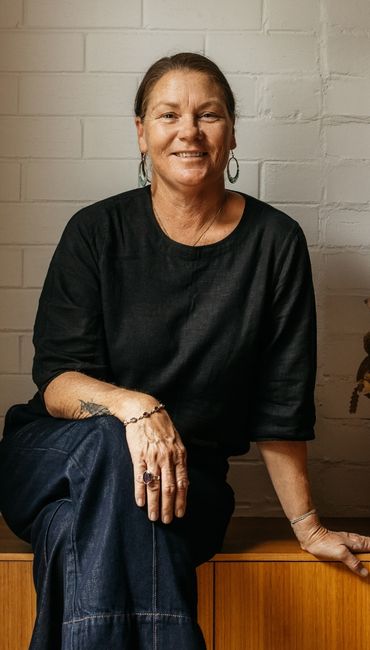
Kellie’s Story

Molly’s Story
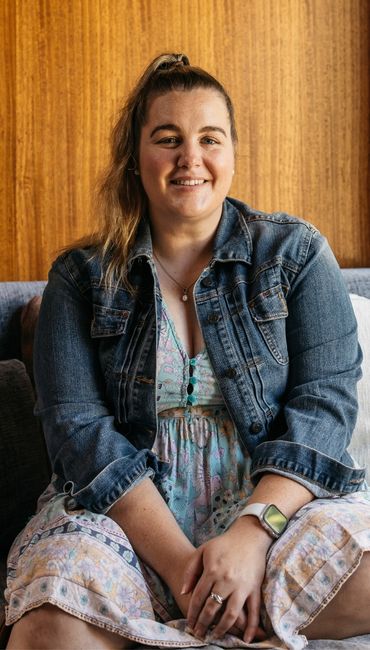
Danielle’s Story
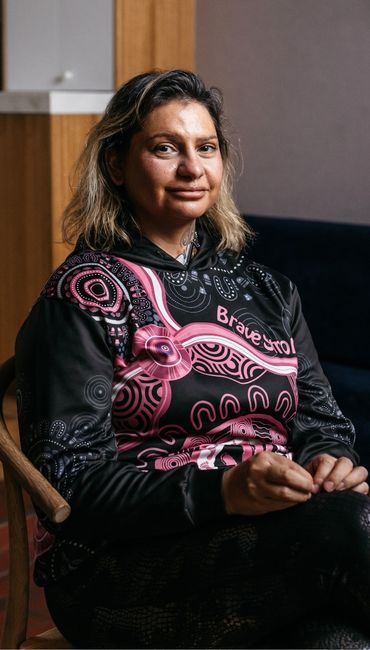
Meriki’s Story
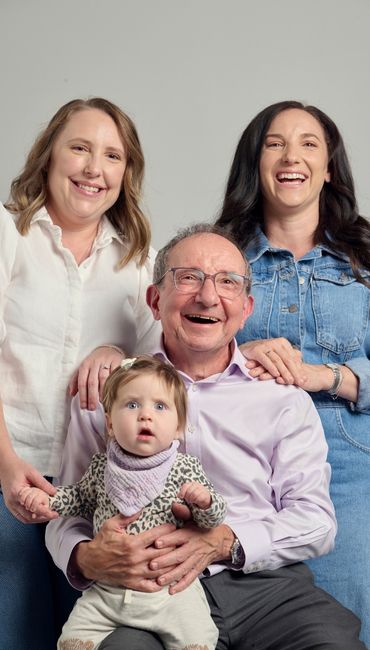
Jess & Nicole’s Story
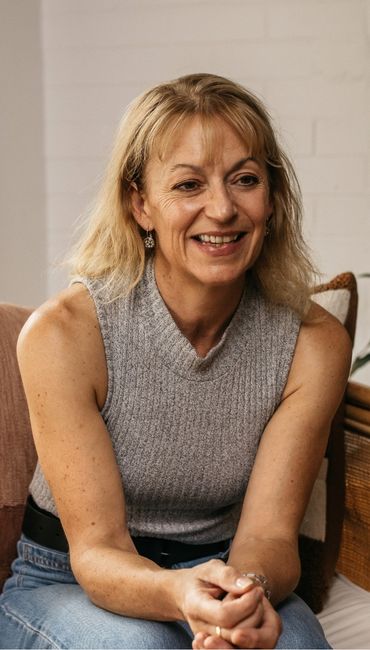
Simone’s Story
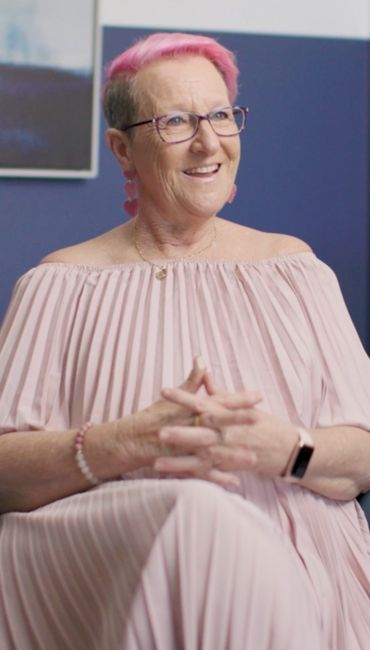
Richelle’s Story
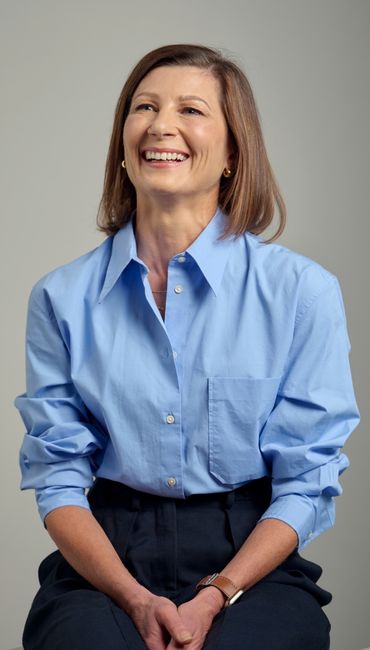
Renee's Story
Support from Inherited Cancers Australia
ICA offers information, connection and support that may help at different points across the inherited cancer experience. You can start with what feels most useful now and return whenever you need.

Inherited Cancer Support Service
For personal guidance from ICA’s genetic counsellor-led support service.
Peer Support Program
Connect with a trained peer mentor with lived experience, practical insights.

National Online Support Group
A welcoming online space where people can share, ask questions or simply listen.

Resource Centre
Explore evidence-based information about family communication, genetic testing, fertility, menopause, surgery, emotional wellbeing and more.

Translate Resources
Find inherited cancer information in Arabic, Chinese and Vietnamese.

Lived Experience Stories
Read personal stories from people navigating inherited cancer risk.
More support and resources
The inherited cancer experience can be shaped by culture, identity, age, location and personal circumstances. The organisations below offer additional information, connection and support alongside ICA’s services and resources.